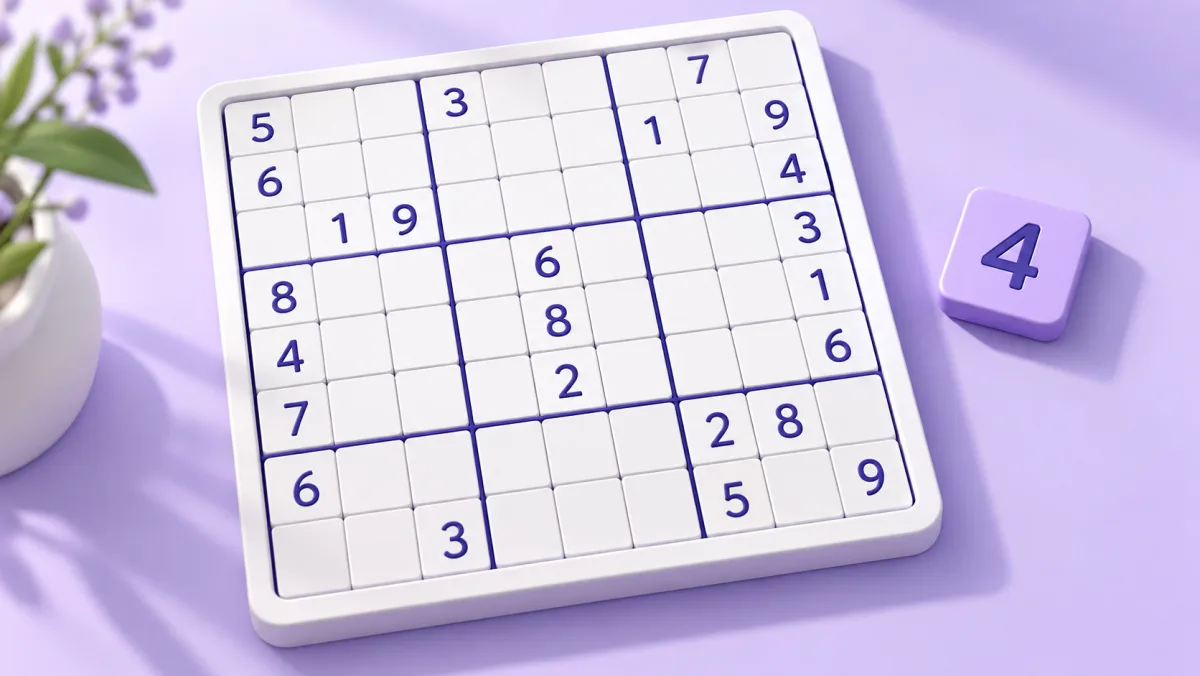
 01 / SUDOKU
Sudoku
9×9 & mini puzzles
Eleven connected steps, mini and classic grids, new-grid generation and full answers.
Start with a lesson, explore a puzzle, or invite a friend. Three games, at your pace.
01 / SUDOKU9×9 & mini puzzles
Eleven connected steps, mini and classic grids, new-grid generation and full answers.
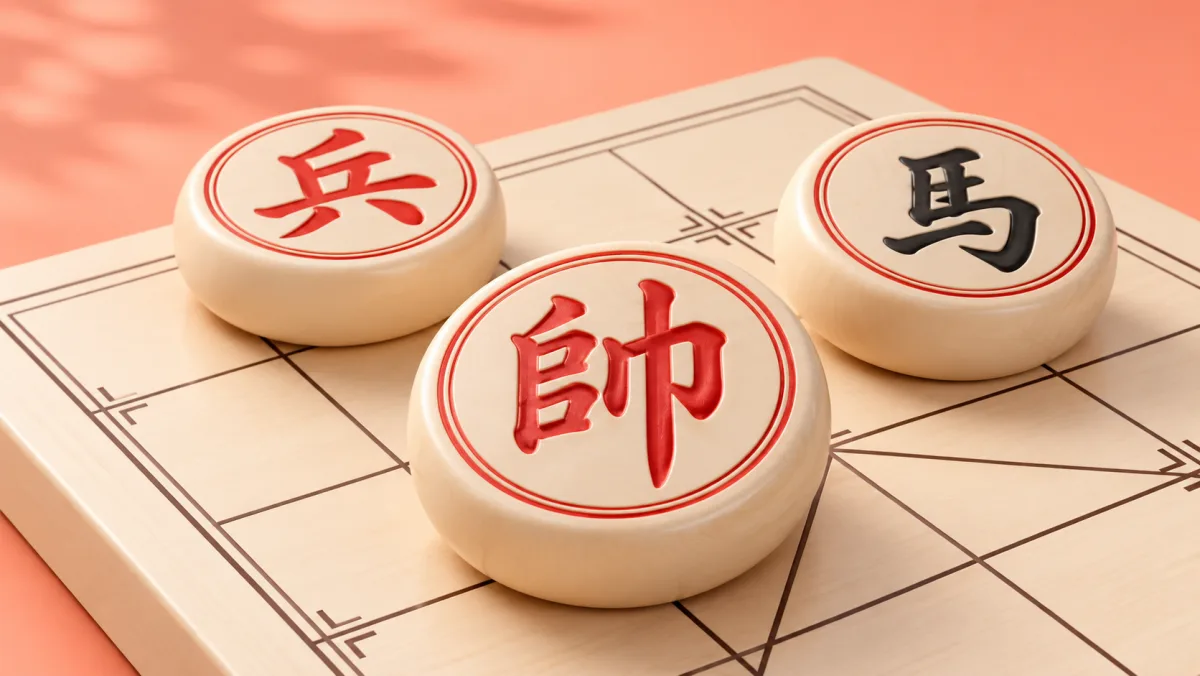 02 / XIANGQI
Lessons & endgames
Seventeen learning steps, 76 classical positions, practical endings, master-game replays and invite-only rooms.
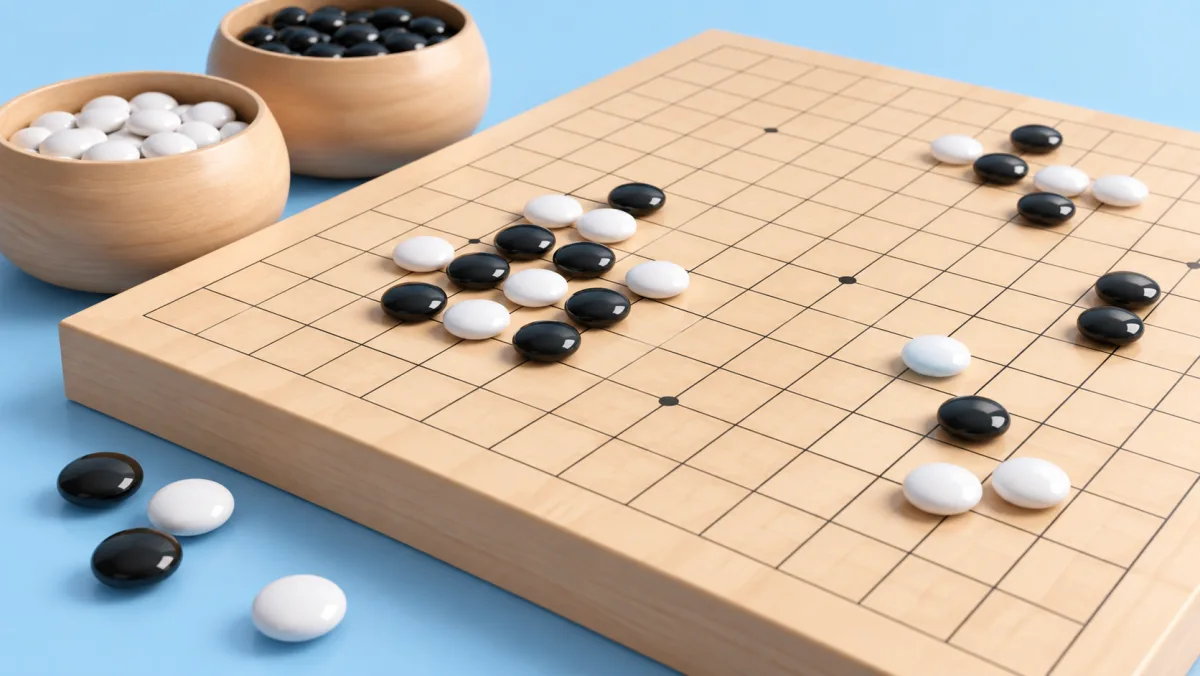 03 / GO
Capture lessons & 9×9
Thirteen learning steps, Xuanxuan Qijing and Guanzi Pu studies, Danghu replays and 9/13/19 room play.
The horse moves two intersections along one axis and one along the other. Unlike a chess knight, it is blocked when the first straight step—the horse’s leg—is occupied by either side. Select the horse in our lesson, compare the highlighted destinations and try a move.
Try a move, retry and compare. Learn one piece at a time.
Learn three easily confused Chinese chess moves with coordinate examples, then test them in the interactive lessons.
Read the story ↗A practical way to read connected stones, identify the last liberty and avoid confusing a temporary escape with life.
Read the story ↗Learn why a digit belongs in a cell, how two types of singles differ, and how to use answers without losing the reasoning.
Read the story ↗Work through three small positions to distinguish a check from mate, explain each chariot’s job and see how one horse changes the answer.
Read the story ↗Learn why candidate eliminations work, when a pair is valid and how a box can restrict a row. Includes counterexamples and a self-check.
Read the story ↗Count shared liberties, compare an extension with a capture and learn why adding a stone may not improve safety. Worked coordinates and a self-check included.
Read the story ↗