The story behind a move.
Explore the river and palace, a Sudoku deduction and a Go stone’s liberties. Read a story, try a move, then return with a new idea.
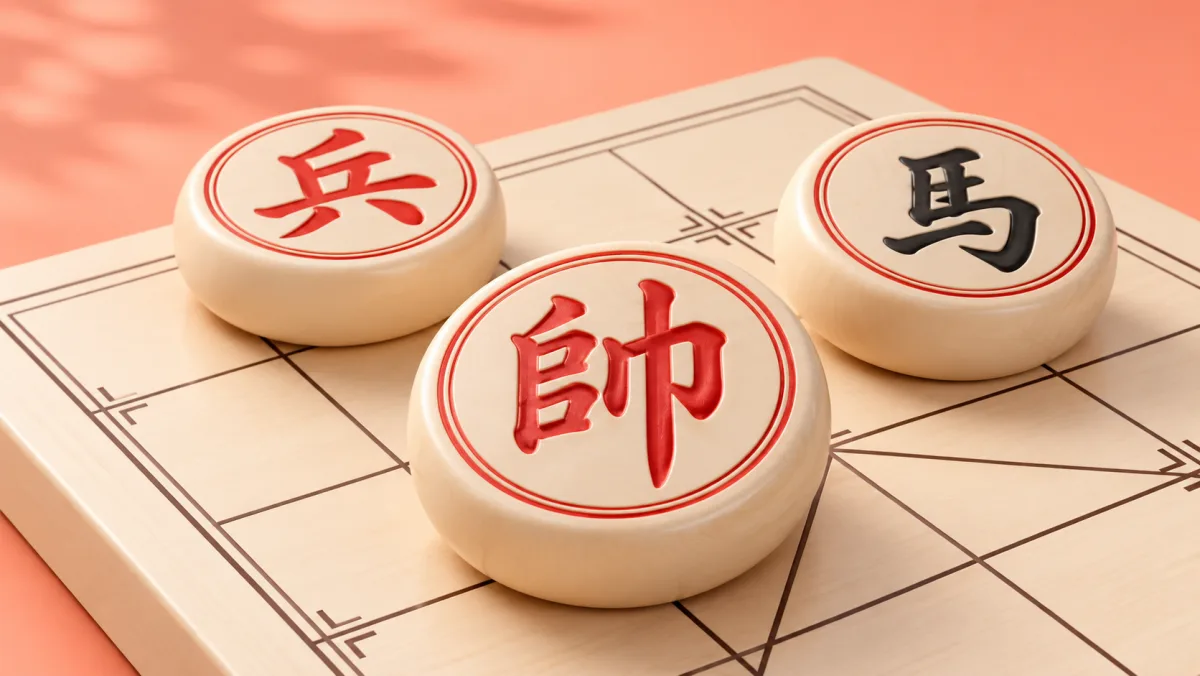
The river is a rule, not a wall
A soldier gains choices. An elephant keeps its limits. Discover how one line changes a piece’s choices.
Read the story ↗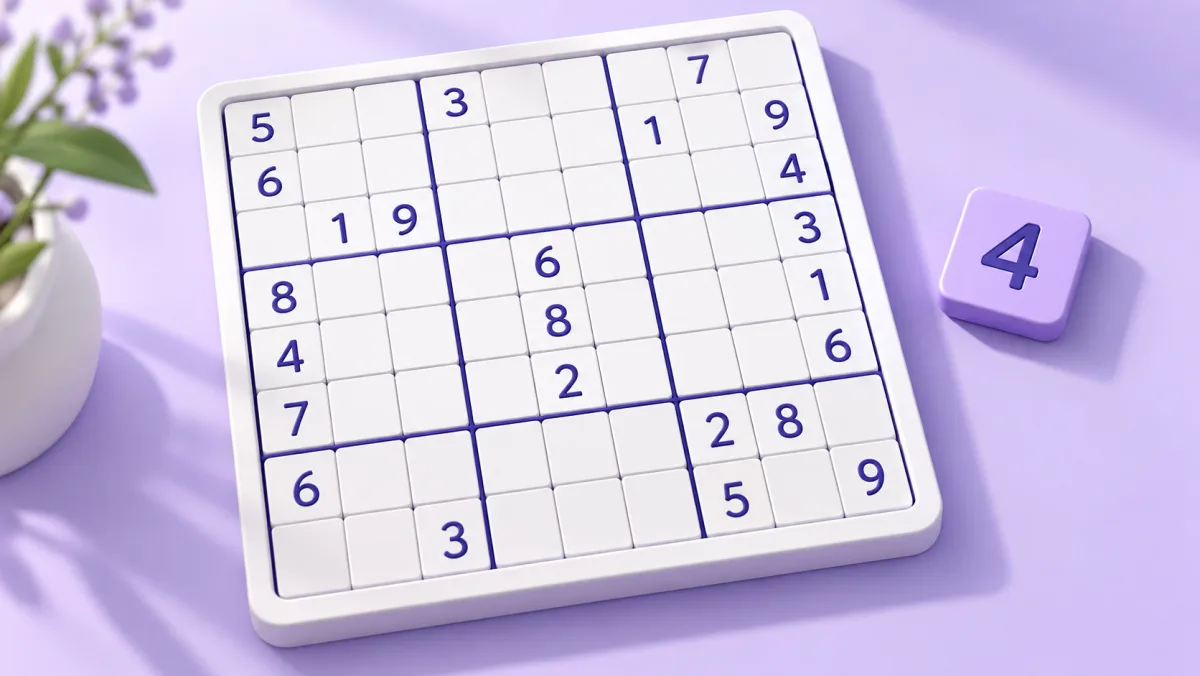
From Number Place to Sudoku
A short publishing history, followed by a practical way to read a grid without guessing.
Read the story ↗
A stone breathes through its liberties
Count the empty points, connect a group, and discover how a small capture changes the board.
Read the story ↗Xiangqi rules for beginners: horse, elephant and cannon
Learn three easily confused Chinese chess moves with coordinate examples, then test them in the interactive lessons.
Read the story ↗Go for beginners: liberties, atari and capturing stones
A practical way to read connected stones, identify the last liberty and avoid confusing a temporary escape with life.
Read the story ↗How to solve Sudoku: candidates, naked singles and hidden singles
Learn why a digit belongs in a cell, how two types of singles differ, and how to use answers without losing the reasoning.
Read the story ↗Xiangqi checkmate: count the escapes before you check
Work through three small positions to distinguish a check from mate, explain each chariot’s job and see how one horse changes the answer.
Read the story ↗Stop losing pieces in Xiangqi: a five-check routine
Use concrete examples of horse legs, elephant eyes, cannon screens and general safety to build a repeatable routine before each move.
Read the story ↗Sudoku after singles: pairs and locked candidates, explained
Learn why candidate eliminations work, when a pair is valid and how a box can restrict a row. Includes counterexamples and a self-check.
Read the story ↗Your Go group is in atari: count, connect or capture?
Count shared liberties, compare an extension with a capture and learn why adding a stone may not improve safety. Worked coordinates and a self-check included.
Read the story ↗Xiangqi classical openings: Central Cannon vs Screen Horses
Set up the Central Cannon and Screen Horses with consistent coordinates. Compare development, central pressure and the defensive replies before choosing a continuation.
Read the story ↗Xiangqi tactical motifs: pins, discovered attacks and double attacks
Compare chariot pins with changing cannon screens, distinguish legal moves from safe moves and test whether a double attack actually wins material.
Read the story ↗Advanced Sudoku: Master the X-Wing and Swordfish techniques
Step beyond basic singles and pairs into advanced candidate geometry: understand the conjugate-pair logic that proves candidate eliminations across entire columns.
Read the story ↗Go life and death: True eyes, false eyes and the two-eye rule
Distinguish two secure eyes from two empty points, examine weak connections around an eye and calculate before deciding that a group is alive.
Read the story ↗